



The import export of building materials Dubai plays a critical role in shaping the city’s rapidly growing real estate and construction industry. Known for its iconic skyscrapers and innovative infrastructure, Dubai relies heavily on high-quality building supplies sourced from across the globe. At the same time, commercial fit-out contractors Dubai ensure these materials are transformed into functional and aesthetic spaces that meet global standards. Together, these two forces drive the success of Dubai’s property and commercial development sector.
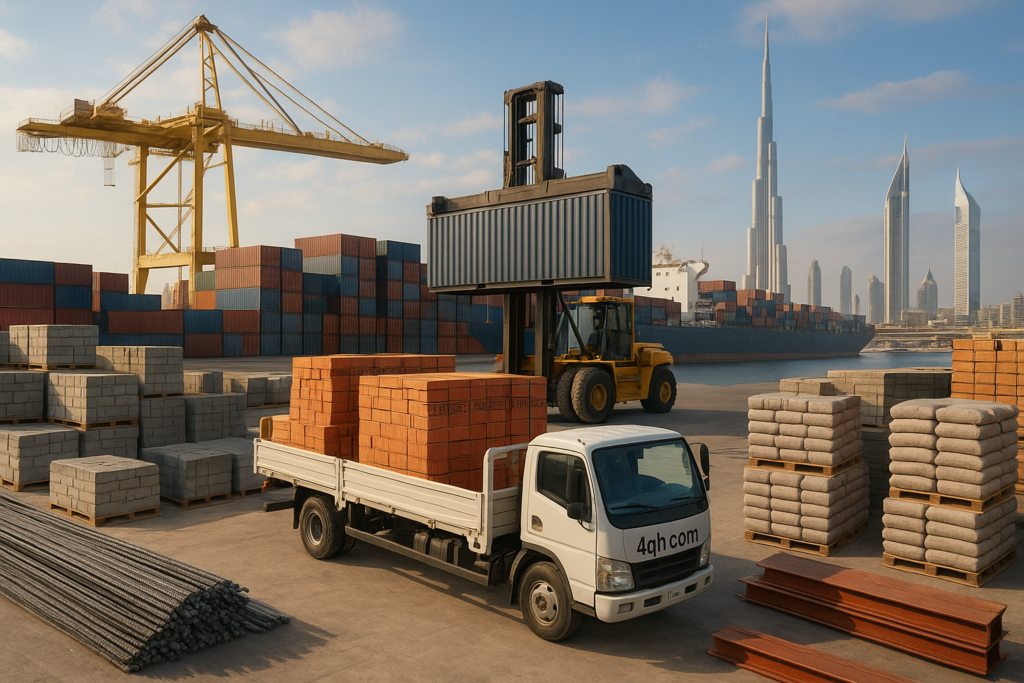
Table of Contents
The Rising Demand for Building Materials in Dubai
Dubai’s construction industry is one of the most active in the world, with mega projects, luxury properties, and commercial spaces constantly in development. This growth directly fuels the import export of building materials Dubai, as developers depend on reliable global sourcing networks for steel, glass, cement, aluminum, and sustainable materials.
Beyond just volume, the type of materials being imported has also evolved. Developers now demand high-performance products that meet international sustainability benchmarks such as LEED or WELL certifications. For instance:
- Glass with thermal insulation for energy-efficient towers.
- Lightweight steel for faster assembly in skyscrapers.
- Sustainable wood and bamboo for interior fit-outs.
- Smart building components like automated lighting systems.
With a focus on sustainability, energy efficiency, and luxury finishes, the need for specialized imports has never been higher. This makes Dubai a global hub for material trade, where supply chains are constantly adapting to meet ambitious project demands. At 4qh.com, we regularly highlight how these innovative materials shape Dubai’s skyline.
Role of Commercial Fit-Out Contractors in Dubai’s Growth
While the supply of quality materials is important, it is the role of commercial fit-out contractors Dubai that transforms raw structures into appealing and usable spaces. From office towers to retail outlets, these contractors handle design, interiors, HVAC, electrical systems, and technical installations.
Their responsibilities go far beyond construction, they align aesthetics with brand identity, ensure compliance with safety codes, and deliver functional layouts that improve productivity. For example:
- Contractors design office spaces with open layouts, ergonomic furnishings, smart desks, and well-planned lighting for efficiency.
- In retail outlets, they design interiors that enhance customer experience, integrating imported wood, glass, and luxury finishes.
- In hospitality projects, they utilize premium marble, decorative lighting, and auditory solutions to deliver world-class guest experiences.
Their expertise ensures that imported materials are utilized effectively, adding functionality, comfort, and elegance to every project.
The Link Between Imports and Fit-Outs
Commercial fit-out contractors Dubai are deeply interdependent with the global supply of materials. Imported marble, wood, and advanced lighting systems only achieve their purpose when installed and customized by professional contractors. Likewise, contractors rely on the steady supply of international-grade materials to deliver projects that meet Dubai’s high standards.
This synergy becomes especially important in high-profile projects such as:
- Expo 2020 venues, which required imported sustainable materials and expert fit-out teams.
- Luxury hotels and malls, where premium imported finishes needed flawless installation.
- Smart buildings, which demanded high-tech imports and skilled contractors for integration.
This connection fuels both industries, ensuring growth and global competitiveness.
Challenges in import export of building materials Dubai
Despite its advantages, the sector faces several challenges. Global supply chains are sensitive to disruptions, and the construction industry often feels the effects immediately. Key issues include:
- Variable global prices of steel, aluminum, and timber.
- High shipping and freight costs due to rising fuel charges.
- Compliance with Dubai Municipality and customs regulations.
- Delays in logistics caused by port congestion or global crises.
For contractors, these challenges translate into project delays, redesigns, or cost escalations. To mitigate risks, both suppliers and contractors increasingly adopt collaborative strategies, digital shipment tracking, and local sourcing alternatives wherever possible. We cover Dubai’s latest import-export rules and market insights at 4qh.com to help businesses stay updated.
10 Pro Tips
- Plan Imports Early – Ensure building materials are ordered well in advance to avoid shipping delays.
- Verify Suppliers – Work only with trusted global suppliers who meet Dubai’s quality standards.
- Align with Contractors – Share material lists with commercial fit-out contractors Dubai to ensure design compatibility.
- Use Sustainable Materials – Opt for eco-friendly products that align with Dubai’s green building vision.
- Track Regulations – Stay updated on Dubai’s import-export rules to avoid clearance issues.
- Create Backup Options – Always have alternative suppliers for critical materials.
- Leverage Technology – Use digital tracking systems for monitoring shipments and timelines.
- Test Samples First – Always inspect samples before bulk orders to guarantee quality.
- Synchronize Schedules – Coordinate material arrival with the contractor’s project milestones.
- Work with Experienced Teams – Collaborate with seasoned importers and fit-out experts for smooth execution.
FAQs
1. How does the import export of building materials Dubai impact construction timelines?
Efficient sourcing ensures that projects move forward without delays. When materials arrive on time, contractors can proceed smoothly, reducing the risk of cost overruns. Delays in imports, however, can slow down progress significantly. This makes logistics and supplier reliability extremely important.
2. Why are commercial fit-out contractors essential for office projects?
They provide specialized expertise in interiors, electrical systems, and design finishes. This ensures that office spaces are not only functional but also align with corporate branding. Without them, offices would lack the professional touch needed for global businesses.
3. What are the benefits of sustainable building materials?
They reduce energy consumption, improve indoor air quality, and support Dubai’s green initiatives. Eco-friendly materials attract both green-minded investors and tenants. Over time, they also lower maintenance and energy costs.
4. How do delays in material supply affect commercial projects?
Delays can disrupt the entire project schedule, impacting handover dates. Contractors often have to adjust designs or use substitutes, which may affect quality. Strong planning and supplier coordination help prevent such issues.
5. What should businesses look for when choosing a fit-out contractor?
Experience, proven track record, and knowledge of local regulations are key. A reliable contractor ensures compliance with safety and design codes. They also manage resources effectively to deliver on time and within budget.
6. How do global market trends influence building material imports in Dubai?
International demand, trade policies, and currency fluctuations can directly affect availability and cost. Staying updated with global market movements helps developers and contractors anticipate changes and plan accordingly.
7. Can local suppliers replace imports in Dubai’s construction sector?
While Dubai has a growing local production industry, many specialized and luxury materials still need to be imported. A hybrid model, combining local sourcing with global imports, is often the most efficient approach.
Conclusion
The import export of building materials Dubai and the expertise of commercial fit-out contractors Dubai form the backbone of the city’s construction industry. Together, they ensure that ambitious projects are supplied, designed, and executed with precision. For anyone involved in real estate or commercial development, understanding this partnership is crucial for success.
From sourcing sustainable materials to executing world-class interiors, the collaboration between importers and fit-out experts ensures that Dubai continues to set benchmarks in modern construction. To explore more about Dubai’s evolving real estate and construction trends, visit 4qh.com.
